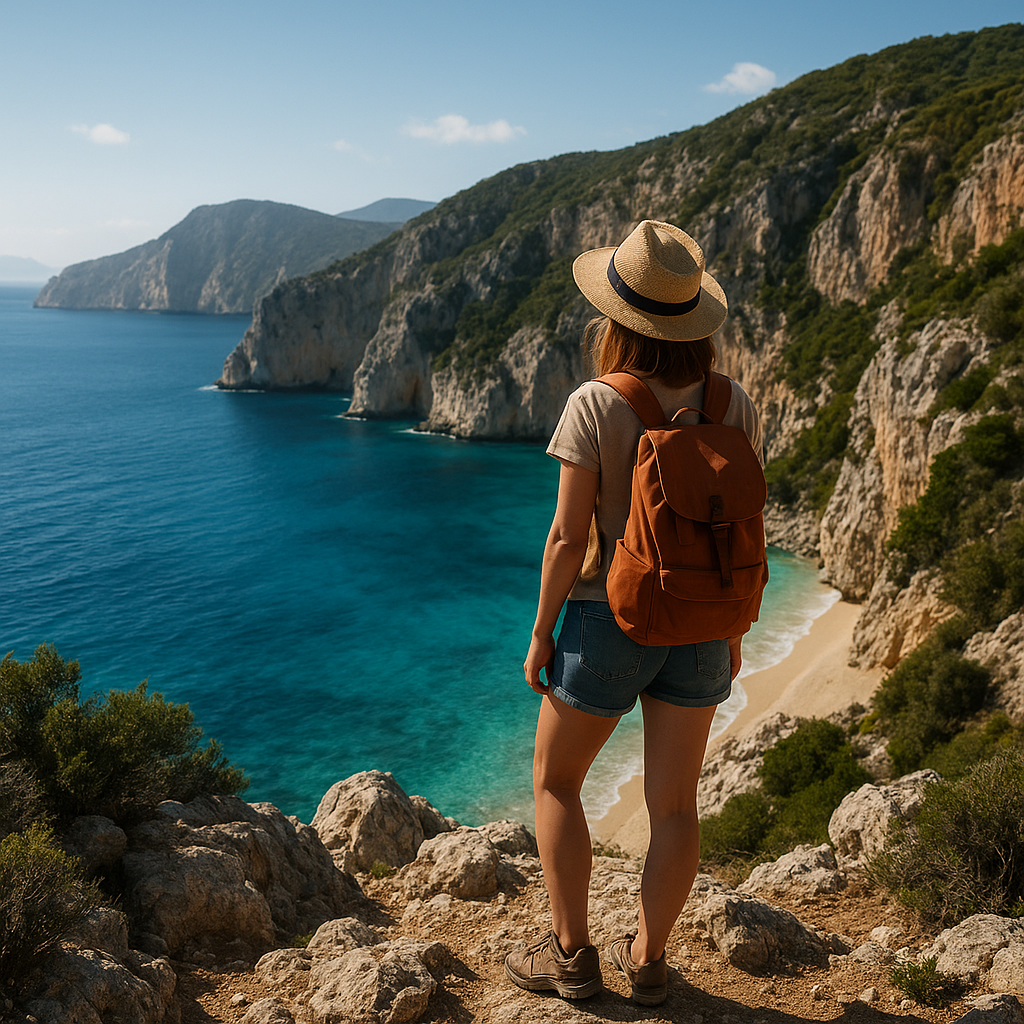
I remember when heading out alone felt like a radical act. Back in the early 2000s, booking a room by yourself raised eyebrows at the front desk. Now, it’s just a standard Tuesday. The concept has shifted from fringe backpacking to a structured, highly accessible lifestyle choice. If you are mapping out your route, you already know the basics: solo travel means you control the pace, the budget, and the silence. No compromises, no waiting on group consensus. The real challenge isn’t picking a destination; it’s managing logistics, safety protocols, and the psychological weight of making every call yourself. You learn to handle itinerary triangulation quickly, which just means mapping primary routes while keeping backup transit options ready in case of delays.
Planning Your Next Solo Trips
Routing a trip without a co-pilot demands a different mindset. You handle visa runs, transit hubs, and local transport links. Modern apps do the heavy lifting, but the core skill remains the same. I track three metrics before booking: walkability, local transit density, and language accessibility. These factors cut down the friction when you are navigating unfamiliar streets. The hospitality industry has adapted, too. Hotels now list single-occupancy rates upfront, removing that old solo penalty fee that used to bleed budgets dry. You can find current pricing models and routing frameworks on this updated industry guide.
The shift from group dependency to independent exploration reflects a broader cultural move toward self-directed experiences. Travelers aren’t just escaping; they are recalibrating their daily rhythm.
How Solo Vacations Actually Work in 2026
What used to be a niche market now drives nearly a quarter of international departures across the EU and North America. The transformation is visible in how services bundle themselves. You see dedicated concierge lines, single-guest dining seating, and curated local meetups that don’t feel forced. The terminology has evolved from rough independent trekking to structured experiential routing. You are not just surviving the trip; you are optimizing it. Safety tech plays a massive role here. Location sharing, emergency check-ins, and verified host networks replaced the old postcard-and-pray method. You definatly need a system for tracking your own movements.
- Route flexibility allows sudden detours when a festival pops up or weather shifts.
- Budget tracking becomes precise since you control every meal and transit choice.
- Cultural immersion deepens when you aren’t insulated by a group bubble.
Structuring Single Person Vacations Without the Stress
When you strip away the group dynamic, every decision lands on your shoulders. That sounds heavy until you realize most friction comes from poor prep. I use a simple framework: anchor city first, then radiate outward. Pick one reliable base with direct transit links, then branch into day excursions. This cuts down on luggage hauling and keeps emergency contacts centralized. The hospitality sector now recognizes this pattern, offering modular stays where you book a core room and add guided segments only when needed.
| Planning Phase | Focus Area | Modern Tool |
|---|---|---|
| Pre-departure | Safety mapping | Geo-alert dashboards |
| Transit | Route redundancy | Offline navigation caches |
| Accomodation | Single occupancy pricing | Verified host filters |
Choosing the Best Travel for Singles Right Now
The landscape keeps shifting. Coastal hubs in Portugal, urban networks in Japan, and high-altitude retreats in the Andes all compete for attention. The real differentiator isn’t scenery; it’s infrastructure density. You want places where a missed connection doesn’t derail your entire schedule. I track transit reliability and pedestrian safety scores before committing. If a region scores high on both, the experience runs smoother. Mapping out your next move means accepting that perfection doesn’t exist. You will miss a train. You will order the wrong dish. You will sit in a quiet plaza and realize the silence feels different when you choose it. The route adapts as you travell. That’s the whole point. You don’t need a crowd to validate the journey.