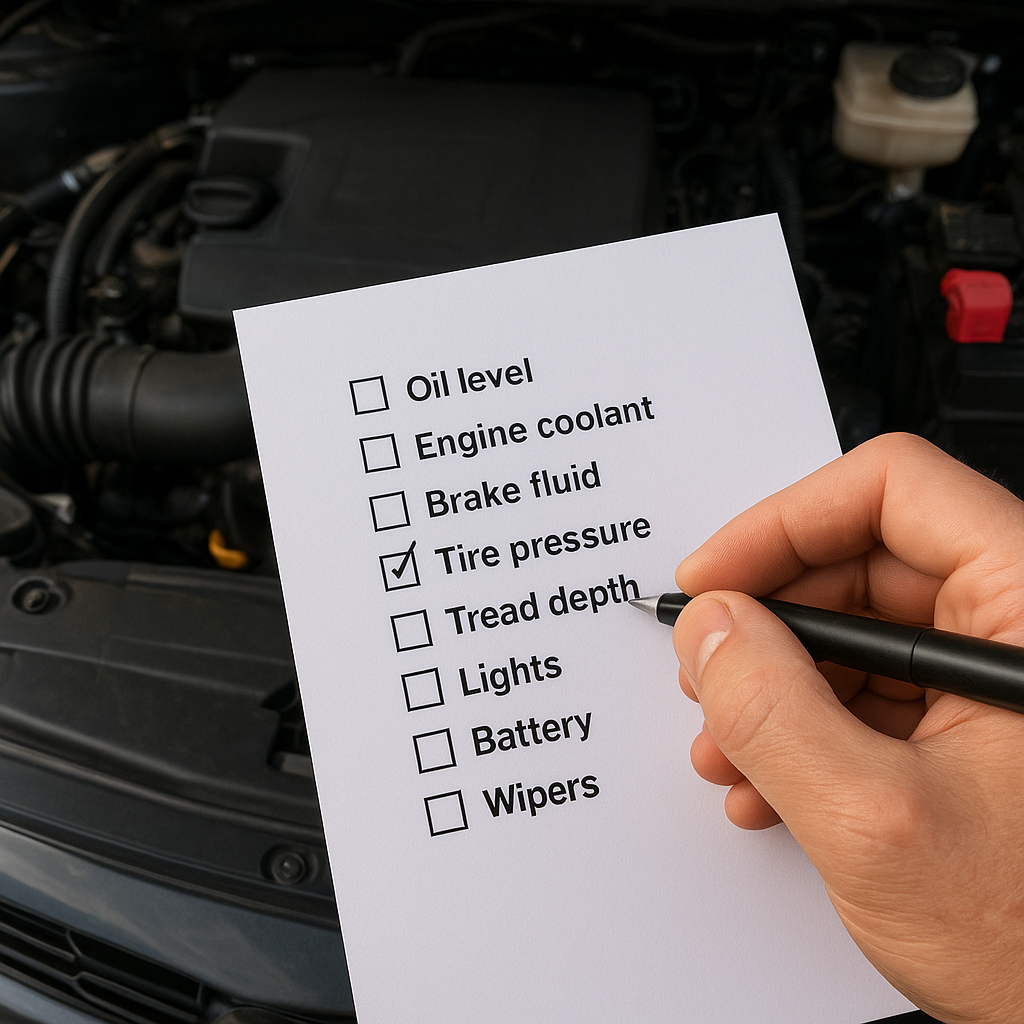
Checklist for car: The Real Guide to Keeping Your Ride Alive
I still remember the sound my old sedan made when I finally realized skipping fluid checks was a terrible idea. It wasnt a gentle warning. It was a full-on symphony of grinding gears and overheated panic. That day taught me something every driver eventually learns the hard way: ignoring routine care turns minor wear into major headaches. A proper tracking system is not some corporate gimmick. It is your financial safety net and peace of mind rolled into one.
Why car checklist maintenance actually matters today
Modern machines are packed with sensors, hybrid systems, and software that runs on updates instead of just mechanical timing. Back in the nineties, you could kick the tires, listen to the engine, and call it a day. Now, we deal with direct injection, turbochargers, and complex cooling loops. The learning curve is steep, but the payoff is straightforward. Tracking every service interval stops you from guessing when a belt might snap or a seal might leak.
Most folks think upkeep is just swapping oil and rotating tires. Thats the surface level. Real care involves monitoring fluid degradation, checking suspension bushings, and reading diagonstic codes before the dashboard lights up like a Christmas tree. I have tracked dozens of vehicles over the years, and the pattern is always the same. Consistency beats complexity. Every single time.
Decoding the checklist for vehicle maintenance
Let us strip away the jargon. Preventative care means catching wear before it becomes failure. It covers three core zones: powertrain, chassis, and electronics. You do not need a degree in mechanical engineering to follow a solid routine, but you do need discipline. I used to skip brake inspections until a mechanic pointed out my pads were basically metal on metal. Not exactly a smart move.
“The best time to catch a failing water pump is not when steam starts pouring from the hood. It is three months earlier, during a routine visual inspection.” – Veteran Service Manager, 2025
Here is what actually moves the needle:
- Fluid sampling for transmission and differential wear metals
- Belt tension and pulley alignment checks
- Battery load testing and terminal corrosion removal
- Tire tread depth mapping and pressure calibration
Building a checklist for car maintenance that sticks
I tried paper logs, phone reminders, and even a few fancy apps. The ones that worked were simple, visual, and tied to actual mileage or calendar months. Complexity kills consistency. If a system takes more than two minutes to update, you will abandon it. I now run a lean tracking method that focuses on high-impact items. You can adjust the frequency based on climate, driving style, and whether you tow or commute on highways.
For those who want a clearer breakdown, here is how the schedule looks when you strip out the fluff:
| Interval | Core Tasks | Estimated Cost |
|---|---|---|
| Every 5,000 miles | Oil filter swap, tire rotation, visual brake check | $60 to $120 |
| Every 15,000 miles | Engine air filter, cabin filter, fluid top-offs | $90 to $180 |
| Every 30,000 miles | Brake fluid flush, spark plugs, suspension inspection | $250 to $450 |
| Every 60,000 miles | Coolant replacement, transmission service, belt tension test | $400 to $750 |
How a car maintenance checklist evolved over the decades
Think about how we used to service machines. Mechanics relied on stethoscopes, timing marks, and intuition. Today, predictive analytics and onboard diagnostics do the heavy lifting. The shift from reactive repairs to proactive scheduling changed everything. Manufacturers now push software updates alongside hardware service, meaning your routine has to account for firmware patches and sensor recalibrations. It sounds overwhelming until you realize the core principle never changed: catch the small stuff before it breaks the big stuff.
If you want to stay ahead of the curve without drowning in technical manuals, check out the latest automotive care standards that outline current best practices for hybrid and combustion platforms. The industry finally standardized what actually matters, cutting out the upsell noise.
I have seen drivers stress over minor dashboard warnings while ignoring worn tires. It is a weird blind spot we all develop when we rely on convenience. The truth is, a solid tracking system removes the guesswork. You log the data, you follow the intervals, and you sleep better knowing your daily driver will not leave you stranded on a rainy Tuesday.
Common mistakes that wreck your tracking routine
Most people fail because they overcomplicate the process or chase perfect conditions that do not exist. You do not need a climate-controlled garage or premium synthetic everything to keep things running. You need consistency. I used to rotate tires only when the dealer pushed it. Now I do it myself with a torque wrench and a cheap jack. Takes twenty minutes. Saves two hundred bucks a year.
Another trap is mixing up service intervals for different models. A turbocharged compact needs tighter oil cycles than a naturally aspirated SUV. Treat them the same, and you will pay for it. The vehcile manual is your baseline, but real-world conditions dictate adjustments. Stop guessing. Start logging.
Stick to a straightforward system. Update it after every trip. Flag unusual noises immediately. Ignore the noise if it is just a loose trim piece, but never ignore a change in handling or braking feel. Your machine talks. You just have to listen before the conversation gets expensive.